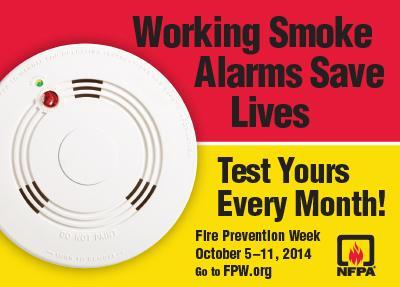
Working smoke alarms can make a life-saving difference in a fire. That’s the message behind this year’s Fire Prevention Week campaign, “Working Smoke Alarms Save Lives: Test Yours Every Month!”
Along with firefighters and safety advocates nationwide, the East Whiteland Fire Company is joining forces with the nonprofit National Fire Protection Association (NFPA) during Fire Prevention Week, October 5-11, to remind local residents about the importance of having working smoke alarms in the home and testing them monthly.
According to the latest NFPA research, working smoke alarms cut the chance of dying in a fire in half. Meanwhile, almost two-thirds of home fire deaths resulted from fires in homes with no smoke alarms or no working smoke alarms.
This year’s Fire Prevention Week campaign includes the following smoke alarm messages:
• Install smoke alarms in every bedroom, outside each separate sleeping area and on every level of the home, including the basement.
• Interconnect all smoke alarms throughout the home. This way, when one sounds, they all do.
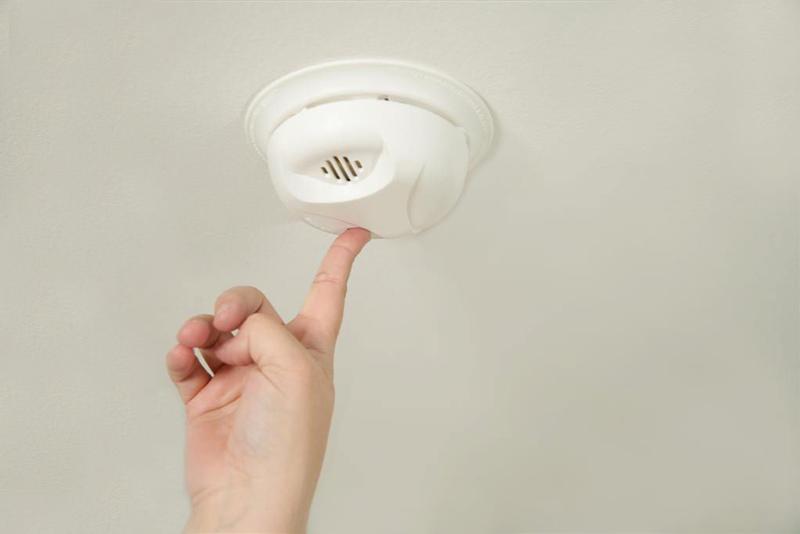
• Test alarms at least monthly by pushing the test button.
• Replace all smoke alarms when they are 10 years old or sooner if they don’t respond properly.
• Make sure everyone in the home knows the sound of the smoke alarm and understands what to do when they hear it.
"So tell me more about smoke alarms!" - the US Fire Administration has put together some answers to common questions that community residents ask us about home smoke alarms.
**What types of smoke alarms can I buy?**
There are many brands of smoke alarms on the market, but they fall under two basic types: ionization and photoelectric.
Ionization and photoelectric smoke alarms detect different types of fires. Since no one can predict what type of fire might start in their home, the USFA recommends that every home and place where people sleep have:
-Both ionization AND photoelectric smoke alarms. OR
-Dual sensor smoke alarms, which contain both ionization and photoelectric smoke sensors.
There are also alarms for people with hearing loss. These alarms may have strobe lights that flash and/or vibrate to alert those who are unable to hear standard smoke alarms when they sound.
**What powers a smoke alarm?**
Smoke alarms are powered by battery or by your home's electrical system. If the smoke alarm is powered by battery, it runs on either a disposable nine-volt battery or a non-replaceable 10-year lithium (“long-life”) battery. Alarms that get power from your home's electrical system, or “hardwired,” usually have a back-up battery that will need to be replaced once a year.
**Are smoke alarms expensive?**
Smoke alarms are not expensive and are worth the lives they can help save.
Alarm type and cost
-Ionization and photoelectric: $6 and up
-Dual sensor: $24 and up
-Smoke alarms with a microprocessor (faster to alert, fewer false alarms): $30 and up
-Radio frequency/wireless (communicate from one to the next without wires: $40 and up)
Your city, county or state may require a specific type of alarm. Please check with your local fire marshal for information on what type of alarm you need.
**Where do I put smoke alarms in my home?**
Put smoke alarms on every floor of your home. Also, in every bedroom and in the hallway outside of each sleeping area.
-Choose smoke alarms that communicate with each other, so that if one alarm sounds they all will.
-Place smoke alarms on the ceiling or high on the wall. Check the manufacturer's instructions for the best place for your alarm.
-Only qualified electricians should install hardwired smoke alarms.
**How do I take care of my smoke alarm?**
Is your smoke alarm still working? A smoke alarm with a dead or missing battery is the same as having no smoke alarm at all. A smoke alarm only works when it is properly installed and regularly tested. Take care of your smoke alarms according to the manufacturer’s instructions. Below are some general maintenance tips:
Smoke alarm powered by a nine-volt battery:
-Test the alarm monthly.
-Replace the batteries at least once every year.
-Replace the entire smoke alarm every 10 years.
-Smoke alarm powered by a 10-year lithium (or “long-life”) battery
-Test the alarm monthly.
-Since you cannot (and should not) replace the lithium battery, replace the entire smoke alarm according to the manufacturer's instructions.
Smoke alarm that is hardwired into your home's electrical system:
-Test the alarm monthly.
-Replace the backup battery at least once every year.
-Replace the entire smoke alarm every 10 years.
What do I do if my smoke alarm sounds while I'm cooking?
-Never take the battery out of your smoke alarm while cooking! If a smoke alarm sounds while you're cooking or taking a shower with lots of steam, do not remove the battery. You should:
-Open a window or door and press the “hush” button.
-Wave a towel at the alarm to clear the air.
-Move the entire alarm several feet away from the kitchen or bathroom.
-Disabling a smoke alarm or removing the battery can be a deadly mistake. |




 Add a Comment
